

Resource Guild
Landspace
Tramping, hunting, biking, climbing, and the land beneath our feet
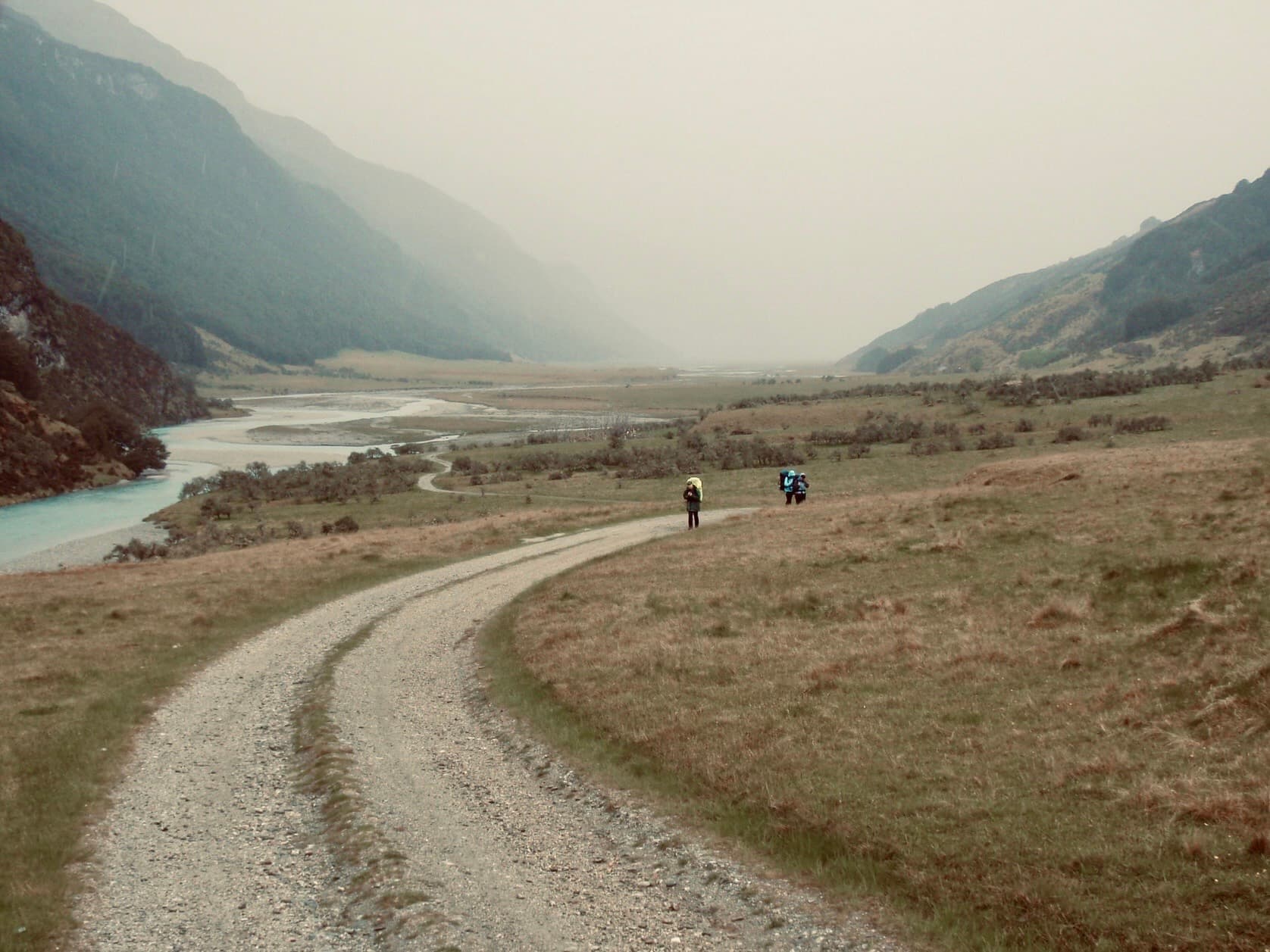
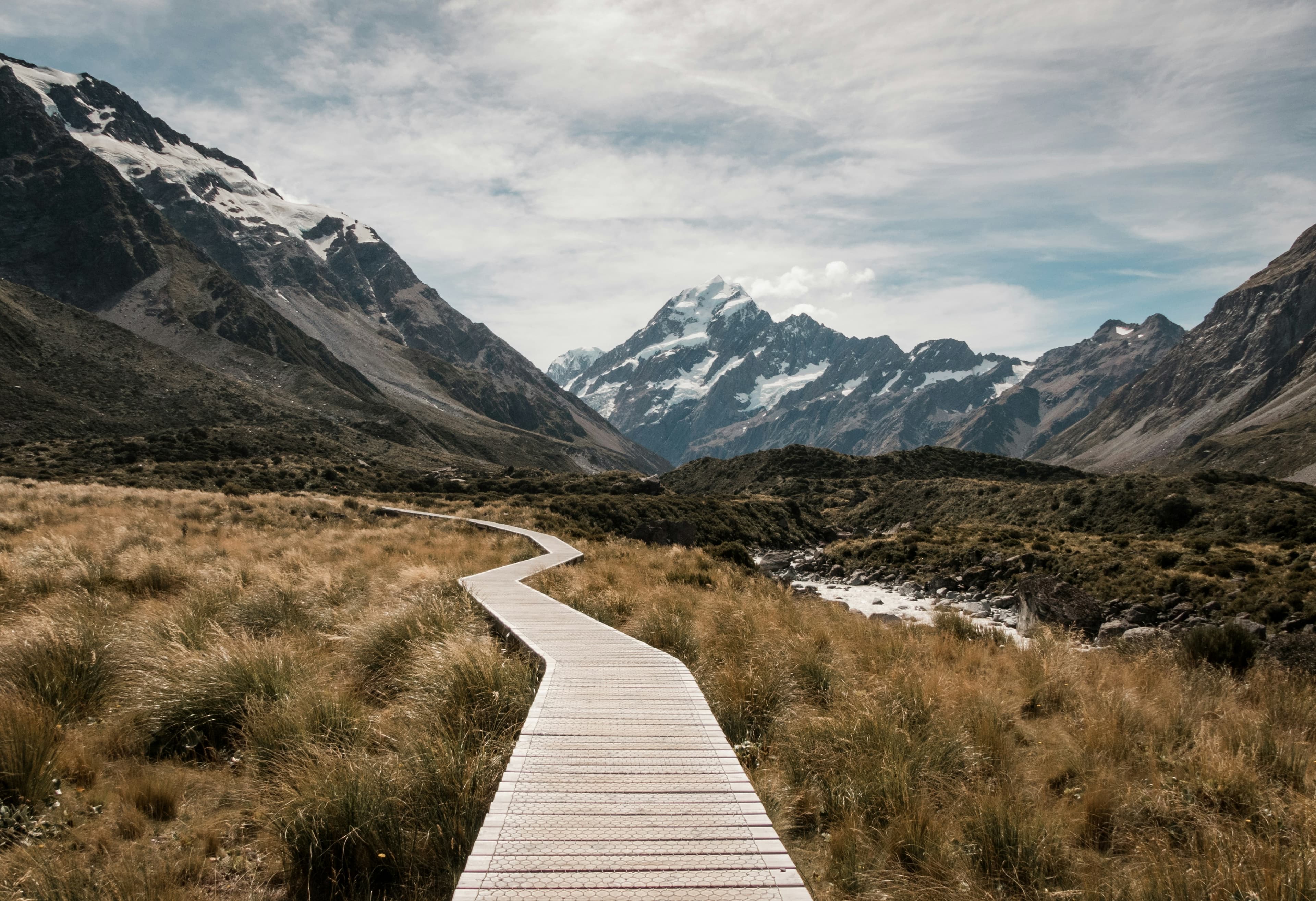
Landspace is where most of us spend our time outdoors. It is the tracks we walk, the mountains we climb, the forests we hunt in, the trails we bike, the campsites we sleep at. It is also where most of the planning decisions happen – new subdivisions, forestry permits, conservation land designations, track closures, access disputes. If you care about where you can go and what you can do on the land, Landspace is your guild.
Who's in Landspace?
- Tramping and hiking clubs (FMC, local groups)
- Mountain biking communities (MTBNZ, local clubs)
- Hunting and fishing organisations (NZDA, Fish & Game)
- Climbing and mountaineering clubs
- 4WD and offroad communities
- Equestrian groups
- Camping and outdoor education providers
- Landowners and farmers
Key federations
- Federated Mountain Clubs of NZ
- NZ Deerstalkers Association
- Cycling New Zealand
Why it matters
Land use decisions are made constantly – and they are often hard to see coming. A resource consent for a subdivision might affect your favourite walk. A plan change might open new hunting areas or close old ones. A track closure might be temporary or permanent. Access disputes can take years to resolve. Nemo watches the planning system so you can respond in time.
What Nemo alerts you to
- Resource consents affecting recreation areas
- Plan changes and district plan reviews
- Track closures and access restrictions
- Conservation land designations and changes
- Forestry permits and land use changes
- Consultation on recreation facilities and policies
- Road stoppings and legal road changes
Why Forest Fern Colour?
The Landspace Guild uses Forest Fern (#566D49) from the Digital Reef primary palette. Our colours follow Nelson's "looks like the thing" principle – every colour must survive the question "does this look like what it represents?"